Working with the people who develop, manufacture and operate flexible aerodynamic systems.
SELECTED CUSTOMERS
SHARED QUESTIONS. DIFFERENT APPLICATIONS.
Every sector brings its own requirements. We bring a common understanding of the mechanics.
Sport
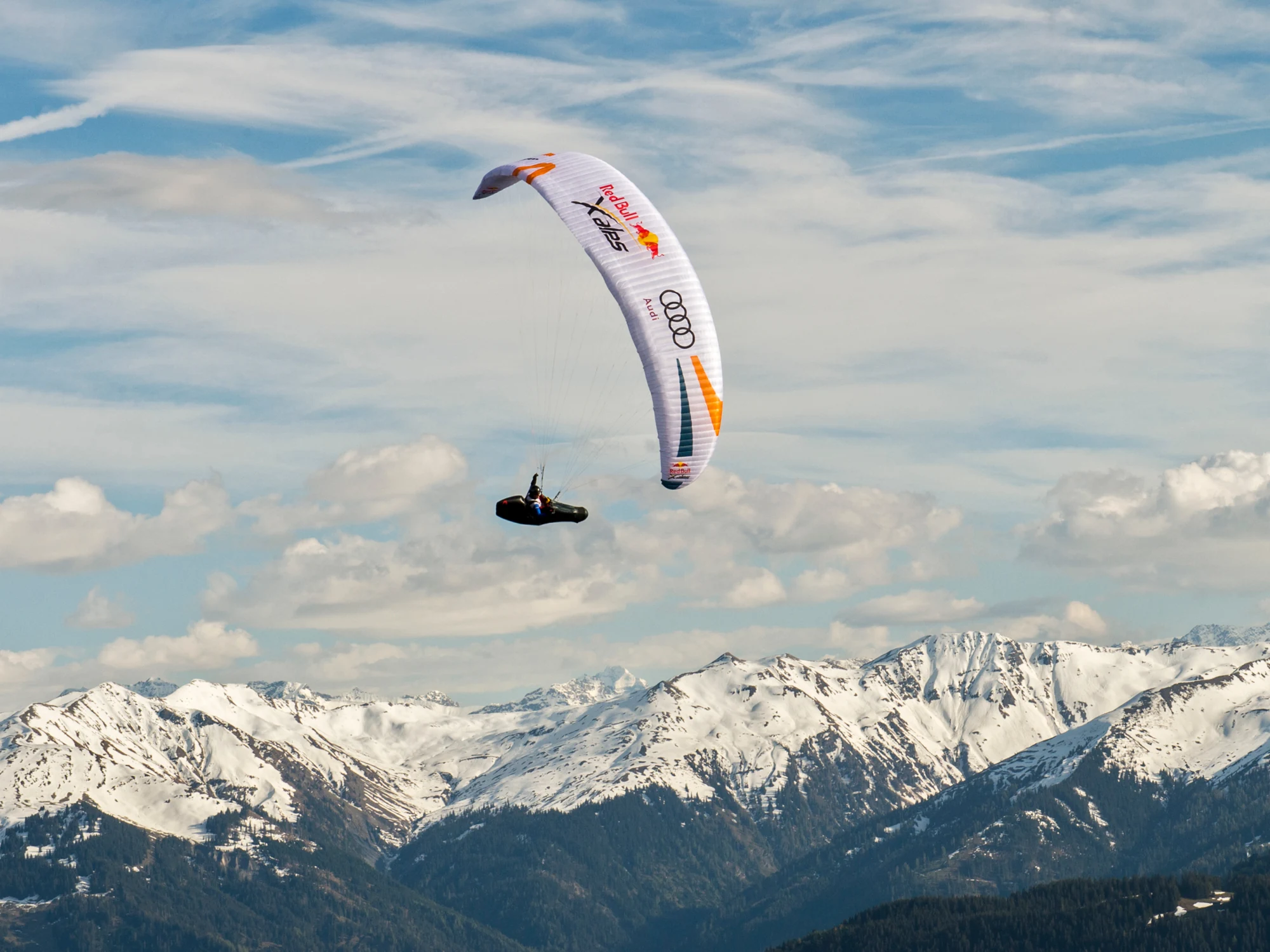
Skywalk · Paragliding
Skywalk Group
Marquartstein · Germany
Accelerating innovation. Refining performance.
Paraglider development is an iterative craft. Coupled simulation helps designers explore new concepts, understand their effect on the flying shape and focus prototype testing on the changes that matter. We connect numerical methods with the group’s design know-how to support faster, better-informed development.
ENGINEERING FOCUS
Performance-led design
Rapid design iteration
Simulation & flight testing
THE GROUP’S BRANDS


Energy
Kitepower · Airborne wind energy
Kitepower
Delft · Netherlands
Durable wings. Competitive wind energy.
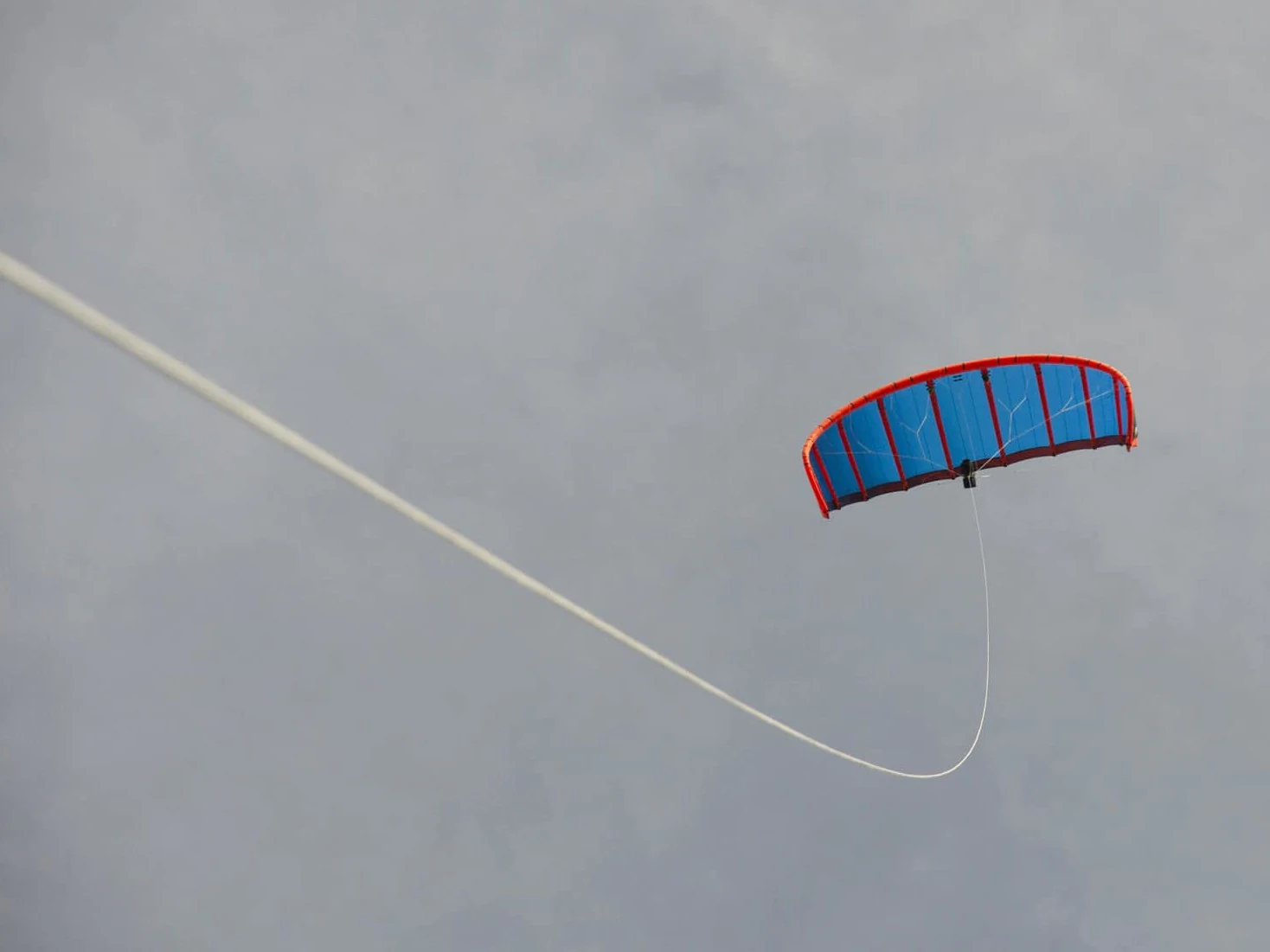
An energy kite must perform through long operating cycles, not just a single flight. Understanding cyclic loading and deformation helps balance aerodynamic efficiency, durability and system simplicity. The engineering goal: lower lifetime costs and stronger returns on the complete energy system.
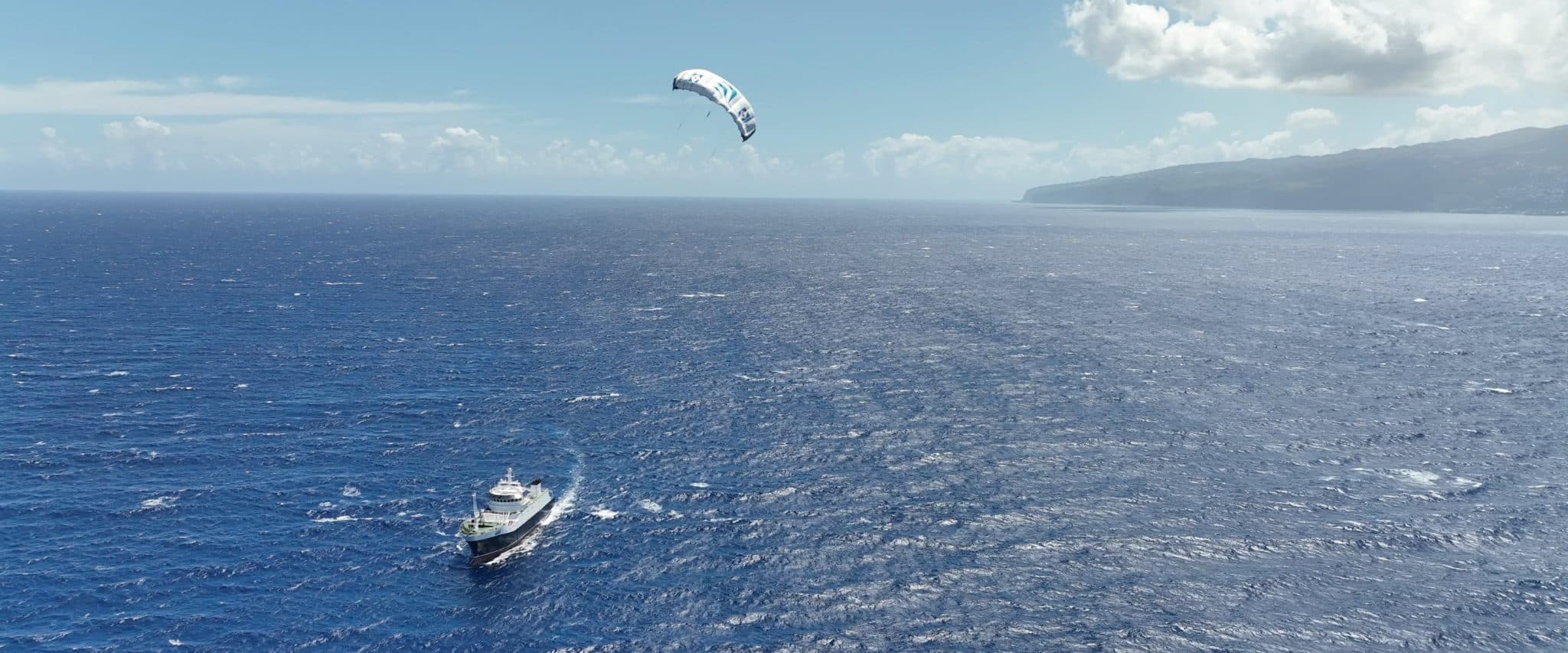
At sea, a traction wing must remain stable and withstand a demanding environment: gusts, saltwater, repeated loading and changing operating conditions. Connecting aerodynamics with structural behaviour helps develop robust wings for wind-assisted propulsion and reduced fuel use.
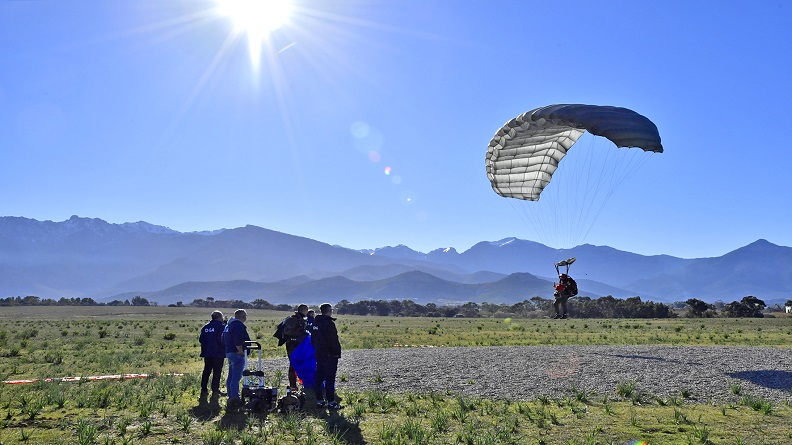
A scientific approach to evaluating parachute performance.
For teams evaluating parachute systems, a useful model must explain how the canopy, suspension and airflow interact. We connect coupled simulation with experimental evidence to assess behaviour, examine loading and support informed technical evaluation.
ENGINEERING FOCUS
Performance assessment
Canopy mechanics & CFD
Model–test correlation
Aerospace
StratoDrop · In Orbit Aerospace
In Orbit Aerospace
Torrance, California · USA
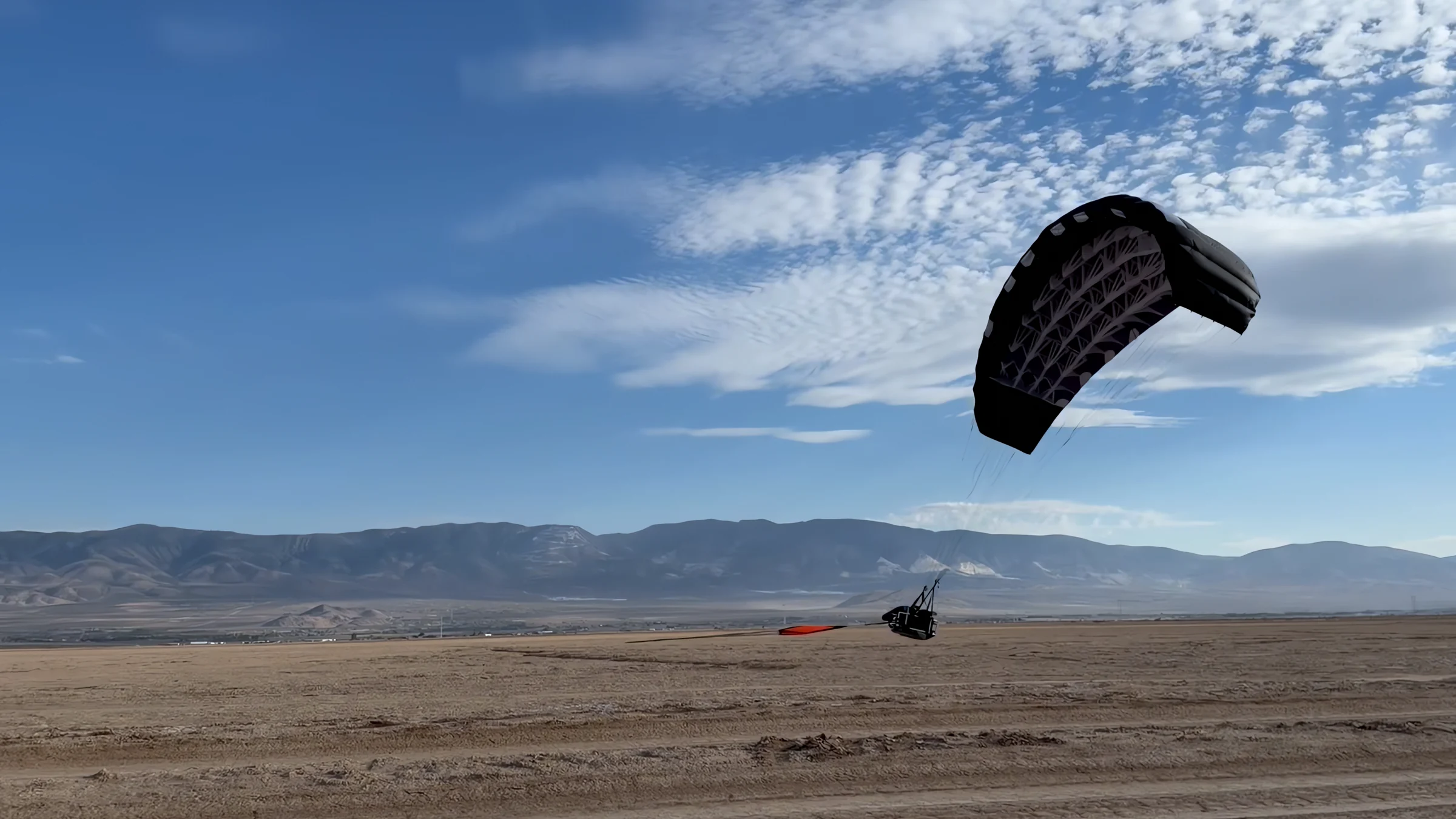
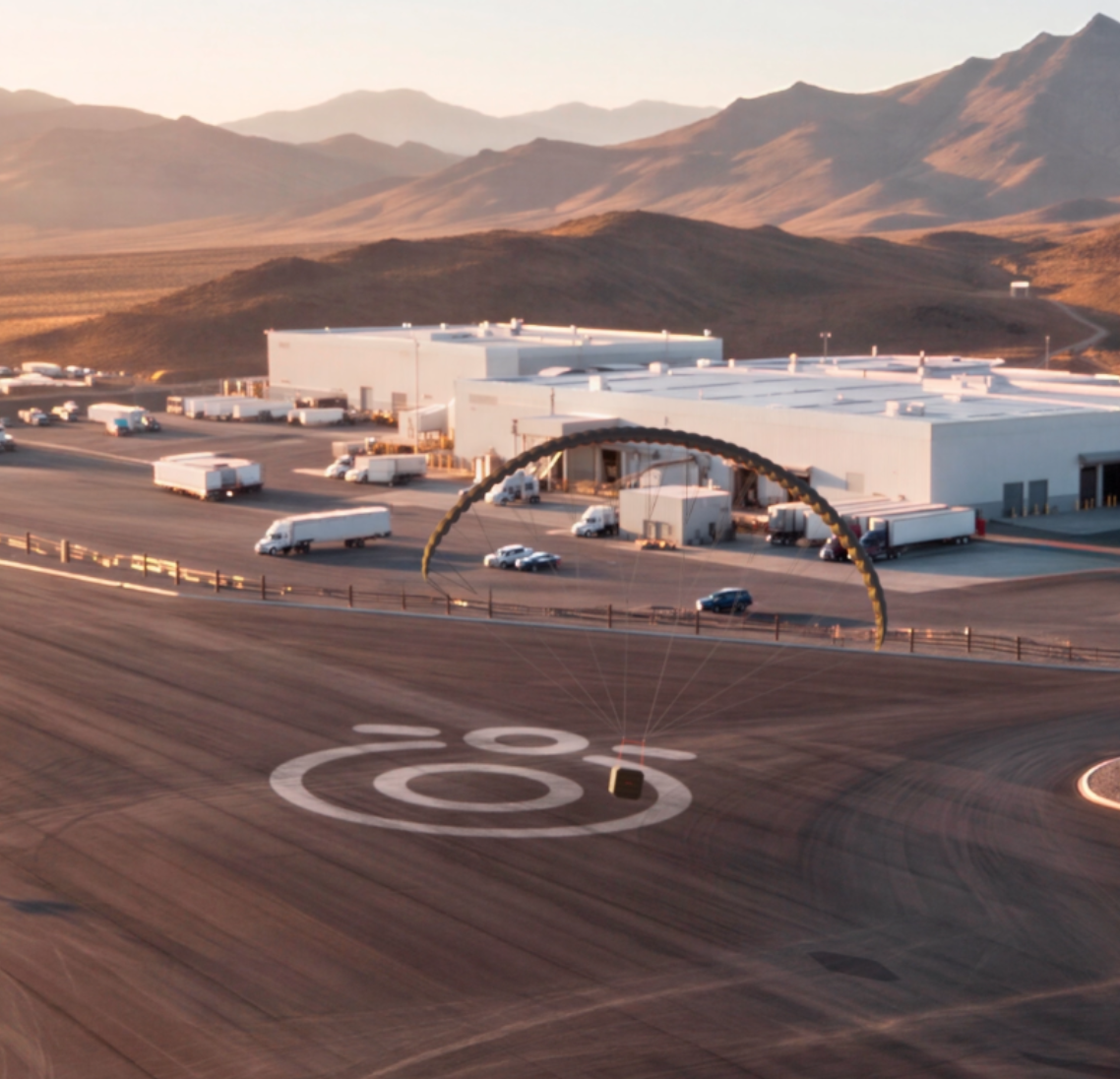
Flexible wings for precise aerial delivery.
Autonomous aerial delivery depends on a predictable wing across changing conditions. Understanding canopy deformation, aerodynamic loads and their interaction with the complete flying system helps connect detailed wing design with controlled descent and delivery.
Returning payloads from space means managing the journey all the way to the ground. Outpost develops reusable space logistics and Earth-return systems. Flexible-wing engineering brings an understanding of canopy shape, structural loads and aerodynamic behaviour to the challenge of controlled descent and precise recovery.
ENGINEERING FOCUS
Earth return & recovery
Flexible-wing mechanics
Controlled descent
RESEARCH CONNECTIONS
BETWEEN INDUSTRY AND RESEARCH.
Industrial questions sharpen the research. Scientific methods make the engineering stronger.
Our academic connections bring complementary perspectives on structures, airflow, numerical methods and experimental evidence.